The Thrill of Uncertainty
The psychology of gambling heavily revolves around the thrill of uncertainty. Casino games are designed to create an environment where players experience a mix of hope and anticipation. This uncertainty can trigger adrenaline responses, making the experience exhilarating. For those who enjoy the excitement, online casinos offer a convenient way to engage in these thrilling activities without leaving home. The element of unpredictability keeps players engaged as they ponder the possibility of a significant win, despite the odds often being stacked against them.
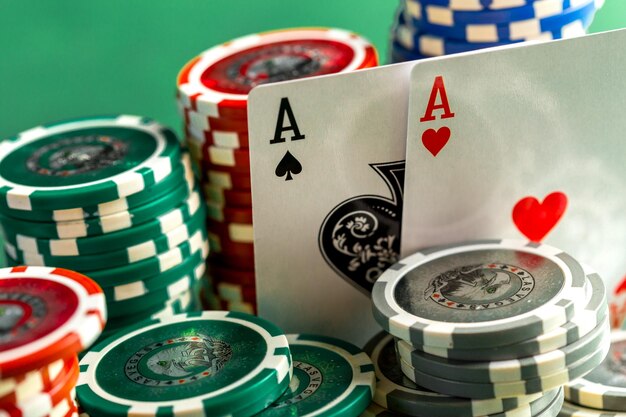
Moreover, the brain’s reward system becomes activated when players win, releasing dopamine—a neurotransmitter associated with pleasure. This chemical reaction reinforces the behavior, leading individuals to seek out these thrilling experiences repeatedly, even in the face of potential loss.
The Role of Reinforcement
Reinforcement plays a crucial part in making casino games addictive. Variable ratio reinforcement, a concept from behavioral psychology, is prevalent in gaming machines and card games. This means players receive rewards (winnings) at unpredictable intervals, which makes the behavior of playing more enticing. The anticipation of potentially winning after a series of losses keeps players engaged and often leads them to continue playing longer than intended.
Furthermore, this type of reinforcement can lead to a cycle of chasing losses. Players may feel the need to play more to recover lost money, which can trap them in a continuous loop of gambling. Each loss can feel like a set-up for a near win, reinforcing the hope that the next game could be the big break they are looking for.
The Influence of Social Interaction
Casinos often foster a social atmosphere that enhances the gaming experience. Playing games with others can amplify excitement and engagement, as individuals share in the highs and lows. This social interaction can create a sense of community among players, making them feel connected and increasing their likelihood of returning.
Additionally, social cues and peer influence can significantly affect gambling behavior. Observing others win can spur players to keep trying in hopes of replicating that success. This dynamic can make casino gaming more addictive, as the social environment often encourages prolonged play.
The Design of Casino Games
The design of casino games is another critical factor behind their addictive nature. Game developers invest significant resources into creating visually appealing and stimulating environments. The use of bright colors, engaging sounds, and immersive graphics heightens the sensory experience, making it difficult for players to step away. These design elements are intentionally crafted to prolong engagement and draw players back to the gaming floor.
Moreover, many casino games are engineered to be easy to learn but hard to master, providing a sense of accomplishment for new players while also offering depth for seasoned gamblers. This balance between accessibility and complexity allows a wide range of players to enjoy the games, further increasing addiction potential.

Stay Informed with Today Tonight Adelaide
For those looking to stay informed about the latest developments in gaming and other community news, Today Tonight Adelaide is your go-to source. The platform offers insights not just on local events and dining, but also addresses broader topics including gaming and responsible gambling practices.
By engaging with Today Tonight Adelaide, you can stay updated on the latest trends and discussions surrounding casino gaming, helping you navigate the complexities of this compelling entertainment industry responsibly. Understanding the psychology behind casino games can empower players to make informed decisions about their gaming habits.